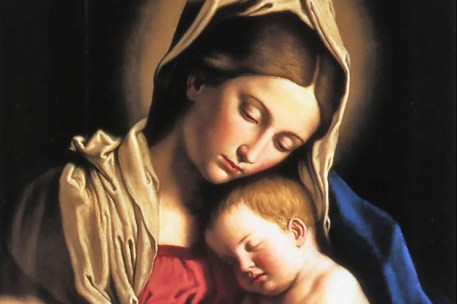
Ecclesiastes 3:1-2 states, “There is an appointed time for everything, and a time for every affair under the heavens. A time to give birth, and a time to die; a time to plant, and a time to uproot the plant…” The inspired writer offers many examples, but the planting-and-harvesting image fits especially well. The Catholic Church moves through the year with a rhythm of feasts and fasts. While many Catholics still celebrate days like the Transfiguration of the Lord or St. Nicholas Day, they have quietly let other feasts fade from popular practice.
One such tradition is the observance of Ember Days. Known in Latin as Quatuor Tempora (“four times”), these are sets of three days—Wednesday, Friday, and Saturday—kept at the start of each of the four seasons. They are not holy days of obligation, but they give Catholics a unique way to mark the changing seasons with prayer, fasting, and gratitude.
Years ago, a friend invited me to a seminar on the Jesus prayer.
As a cradle Catholic, I no longer felt that attending mass on Sunday was enough. Over time, I joined a choir, attended several weekend retreats for young adults and made friends who were more active in parish life than I was, all intended to bring me closer to God.
When I was asked to join one of those friends to learn about the Jesus prayer it felt like another opportunity to enhance my faith and prayer life.
Our group met one cold winter night in downtown Montreal (Quebec.). Before the session began, I struck up a conversation with two religious sisters. At first I thought they were the speakers, but no, they told me, they had come to learn about this prayer, too. I thought that if these two nuns were eager to enhance their faith, there was hope for my own.
Origins of the Jesus Prayer
We learned that the Jesus prayer has its roots in Eastern Christianity. Whereas traditional meditation has the intent in the emptying of minds, the Jesus prayer, by the power of the Holy Spirit, is invoking the name of Jesus Christ to God the Father.
This makes total sense, because Christ IS the focal point of Christian prayer.
We have access to the Father only if we pray in name of Jesus (Catechism 2664). It is the one name that contains everything (Catechism 2666). In fact when we pray to Jesus, we not only invoke him but “call him within us.”
Lord Jesus, Son of God, have mercy on me, a sinner.
We closed our eyes and pondered over those few words speaking quietly and repeating them over and over again.
In all prayer we strive to pray with an open heart and it is no different with the Jesus prayer.
Lord Jesus, Son of God, have mercy on me, a sinner
Those words held more weight than I knew. As I continue to delve more into scripture and God’s promise of salvation that awaits each of us, those words paint a thousand more.
God Meets You in the Struggle
In our sinfulness and brokenness, God welcomes us through his Son. Like the heavenly prize that Paul speaks of, I too, despite my daily struggles, strive for that perfect spiritual life. Despite obstacles along the way, I press on, knowing the journey towards Him, though difficult at times, will ultimately bring lasting joy and fulfillment. That glimpse of eternal joy is a sliver in our present life, but it is by God’s grace that we experience those moments on our earthly journey.
I am often guilty of being blind to God’s promise of salvation, just as St. Paul was. When I think of God crying out to Paul, “Saul, Saul, why do you persecute me?” (Acts 3:9), I know too well how many times I have offended God, not just by what I have done, but also by what I have failed to do.
The Lasting Impact of the Jesus Prayer
It’s been more than forty years since that night in Montreal. I still pray the Jesus prayer, striving to carve those words permanently into my spiritual life. I’m not always successful, but I like to think that perseverance, in spite of all the worldly obstacles we face these days, is what counts.
At mass, when the host and chalice are raised, I meditate on the words of the Jesus prayer. In that moment, the gift of God’s grace is both convicting for me as a sinner, and at the same time, comforting.
Lord Jesus, Son of God, have mercy on me, a sinner.
I say those words slowly, over and over again.
When I do, I cannot help but examine my own heart:
Do I come before God in humility knowing that I need him?
Do I trust God as his adopted daughter knowing that he is with me, and that not my will but his will be done?
Do I persevere in prayer, by praying without ceasing so that through prayer I strive to become more like Jesus, even in moments of dryness and distraction?
We may strive to do all of these things, and sometimes we may do them well, and at other times fall short. It is a battle of prayer that so many saints struggled with, but never gave up by asking for God’s grace through their faith and trust in him.
Prayer brings us closer to the Father
St. Teresa of Avila says of contemplative prayer that it is “nothing else than a close sharing between friends; it means taking time frequently to be alone with him who loves us.” (Catechism 2709).
We need to remain open to God’s promise of salvation that awaits each of us in the heavenly kingdom. But it is only when we pray from the heart that we will receive His gift of grace and begin to forge that ultimate relationship with him.
Lord Jesus, Son of God, have mercy on me, a sinner.
May we respond to God our Father’s call to prayer, by the power of the Holy Spirit and through his Son Jesus Christ, with unwavering faith, hope and love.
About Our Guest Blogger:
Jackie lives in Ottawa, Ontario, Canada. Her publications include Blessed (Calla Press, 2023), Stories of Faith (Our Sunday Visitor, 2020), Hello and Goodbye (Dribbles, Drabbles and Postcards, 2022), and Birthdays 2022 (Grief Dialogues Stories, US). Besides writing, Jackie enjoy hiking, reading, and traveling. You can find Jackie’s work at cherishingthedeathprocess.com and at fromsimplewordstorealstories.home.blog.
Editor’s Note: This post was originally published on February 13, 2020.
Saint Alphonsus Liguori proclaimed, “Of all devotions, that of adoring Jesus in the Blessed Sacrament is the greatest after the sacraments, the one dearest to God and the one most helpful to us.” Sitting before the Eucharist in awe and wonder is something faithful Catholics have been doing for centuries.
Whether you are a faithful or lapsed Catholic, here are seven reasons why you need to be going to Eucharistic adoration today. Don’t worry you still have time to go now (either before or after reading this post).
Unites You to the Sacrament of the Eucharist
According to St. Mother Teresa of Calcutta, “When you look at the crucifix, you understand how much Jesus loved you then. When you look at the Sacred Host, you understand how much Jesus loves you now.” Now. The Eucharist is the Sacrament of the Real Presence of Jesus Christ. His body, blood, soul, and divinity under the appearance of a simple host. Sitting in Eucharistic adoration lets you draw closer to the Mystery of the Eucharist. How easy is it for us to dismiss this reality? But by driving to a local church, you are making a sacrifice. A sacrifice of time. The same sacrifice you make on Sunday.
Increase in Holiness by Bathing in the Light of the Son
People enjoy tanning in the sunlight during summer or visit tanning salons. Going to Eucharistic Adoration does for your soul what a tanning salon does for your skin— it transforms it. Too much physical light burns. If you stay before the light of the Son too long your sins will be identified and destroyed.
Eucharistic adoration is a precursor to confession. St. Clare of Assisi proclaimed, “Gaze upon him, consider him, contemplate him, as you desire to imitate him.” Standing in the “Sonlight” will lead to you think like the Son. You will be more patient. Kinder. Gentler. More obedient to your parents, spouse, priests, bishop or other spiritual authorities in your life. Bath in the light of Son and be prepared for noticeable results.
Removes You from Temptations
Along with leading you notice your sins; frequent attendance of Eucharistic adoration will remove you from tempting situations. Think about it. Simply being before the Blessed Sacrament takes you away from the worldly things. Occasions of sin. My parish’s deacon, who is currently in seminary to become a priest, said there is always a choice between God and the world. Christ or the cell phone. In the times of greatest temptation seek our Lord! The Good Thief on the Cross gazed loving at Jesus during his greatest temptation. He could have easily fallen prey to despair. Why didn’t he? Because he looked to Jesus to take away his temptations and limitations.
Helps You to Examine Your Conscience
The longer you remain in the presence of God the more you will reflect on your failings—your sins. Remember being in the light of Christ will make your sins more recognizable.
Provides a Reboot to Your Spiritual Life
We all need a reset. Our lives get busy. Busy lives lead to tiredness. And tiredness causes us to give into temptation and sin. Think of sin as a virus that corrodes our soul. Without a proper defense the virus (of sin) will attack us more often and successfully cripple us spiritually. Eucharistic adoration acts as a kind of system reboot to our spiritual lives. Praying in the light of Christ brings us countless graces that will be effective in repairing us and warding off sin. Take time to rest. Rest in the pew. Sit (or kneel) before the Lord and ask for renewed strength and energy to reach the big spiritual reset— the Mass!
Prepares You for Sunday Mass
Adoration gets you into the right frame of mind for celebrating the Mass. Spend your time reading the upcoming Sunday Mass readings. Investing time into learning about the theme and reading of the Mass is helpful later on especially when you have younger children who can cause distractions on Sunday. Praying before the Blessed Sacrament in Eucharistic adoration reminds you of the primary focus of the Mass—Jesus. The readings, rituals, and liturgical garments are all a means to point us closer to the Son. Gazing upon the Blessed Sacrament reminds us of Jesus’ words in John 6:35, “I am the bread of life; he who comes to Me will not hunger, and he who believes in Me will never thirst. ”
Because the Church Recommends It
A seventh reason to attend Eucharistic adoration is simple. The Catholic Church tells us to go. According to the Catechism of the Catholic Church paragraph 1380,
The Church and the world have great need of Eucharistic adoration. Jesus waits for us in this sacrament of love. Let us be generous with our time in going to meet Him in adoration and contemplation full of faith. And let us be ready to make reparation for the great faults and crimes of the world. May our adoration never cease.
That reference is actually a quote from Saint Pope John Paul II in Dominicae Cenae: Letter to Priest, Holy Thursday, 1980. I am a big fan of John Paul II. He is amazing because of his close connection to God through the sacraments. I trust in the wisdom of the late Polish pope. The Eucharist is the source and summit of the Catholic faith (CCC 1324). Jesus is truly the Bread of Life. Like the Apostles, Mary Magdalene, the Blessed Virgin Mary, Joseph, and other New Testament figures, we too see Jesus on a consistent basis. No, he will not be donning sandals or his mighty epic beard during Eucharistic Adoration, but we will still experience the same love. Try to find at least 15 minutes this week and visit our Lord at a local church. Better yet invite a friend or family member to go with you!
Do you want to receive more insightful and informative content about the sacraments? Become an email subscriber (enter your email address in the Subscribe to Blog Via Email box and hit the Subscribe button. It’s that easy! Soon you will be receiving cool Catholic content in your inbox. Thank you for reading and hope you have a blessed day!
What is the deal with Catholics and their statues? Are they committing idol worship? Is this not against the 1st Commandment? These are common objections Protestants have against the owning of holy images. This article will be focused on showing three reasons why possessing sacred art and statues is something all Catholics should do and how they help build our faith.
Saint Statues Deepen Our Belief in the Incarnation
Having a statue of a saint in your home deepens your belief in God. According to the Catechism of the Catholic Church paragraph 2141, “The veneration of sacred images is based on the mystery of the Incarnation of the Word of God. It is not contrary to the first commandment.”
Often, we forget that Jesus is 100% human along with being 100% God. His miracle stories in the Gospels and Resurrection sometimes overshadow the fact that Jesus Christ lived a human life—he slept, ate, and experienced emotion.
Possessing saint statues anchors our faith in the Incarnation because God became fully human. Holy statues provoke a certain tangibility, rawness, and realness of humanity. I experience this when I enter a Catholic Church with sacred art (icons and statues) of Jesus and the saints. If you’ve ever entered a church without such art you experience a dullness or staleness. Should not the same be true for your home?
St. John Paul II wrote in his Apostolic Exhortation Familaris Consortio, “the little domestic Church, like the greater Church, needs to be constantly and intensely evangelized: hence its duty regarding permanent education in the faith” Keeping saint statues around your home will help elicit questions from your children, or visitors, about important figures in Catholic Church history.
Guides to God
A second key reason to have a saint statue in your home is tied closely with the first—saints help point you to Christ. The Catechism speaks of saints in paragraph 957, “Exactly as Christian communion among our fellow pilgrims brings us closer to Christ, so our communion with the saints joins us to Christ, from whom as from its fountain and head issues all grace, and the life of the People of God itself.”
Proper veneration of the saints leads us towards Christ, never away from Him. A statue of the Blessed Virgin Mary located in your dining or living room and other saints around your home will only aid as a reminder—you are not alone in this journey toward Heaven.
Growing up, our statue of Mary in our dining room helped to remind me that she is our Mother and helps us get to her Son—Jesus. This reminder helped keep my eyes on Christ, especially during my teen years!
Family, Friends, Fellowship
Along with deepening your faith in the Mystery of the Incarnation and pointing you towards Christ, keeping holy statues will help foster fellowship. Traditionally, Catholics name children after a saint. The reason for this is because we honor and look to these holy men and women for guidance.
Among the highlights of marriage my wife and I anticipated, during our engagement was the naming of our children. All members of the family are called to holiness. We selected saint names whose lives exemplified heroic virtue and testimony of truth: Bernadette, Teresa of Avila, Matthew, Catherine of Siena, Maria Faustina, and Fabian just to name a few!
A simple way to grow in fellowship with your family’s patron saints is to celebrate their feast day. Owning a statue of a saint unique to your family will provide a more tangible connection to your holy friend. Gazing at the face of your patron saint, in the living room or bedroom, will help remind you daily of their holy life and strong love of God. Seeing the image of Mary Queen of Peace in my living room brings comfort during a stressful day.
Utilizing sacred images, especially saint statues, deepens your faith, guides you to Christ, and provides opportunities to develop unique family traditions of your own while fostering fellowship with God’s holy ones. Go get a saint statue today!